Until the Conservancy restored bison to Rancho El Uno in 2009, no one had seen permanent herds of wild bison in Mexico since the 19th century. © Dave Lauridsen
Nélida Barajas, Conservancy scientist and once the ranch manager of El Uno, saw bison as the key to restoring the full complement of species to the Janos grasslands. © Dave Lauridsen
Thirty bison now call El Uno—an ecological reserve, which lies in the foothills of the Sierra Madre Occidental—home. © Dave Lauridsen
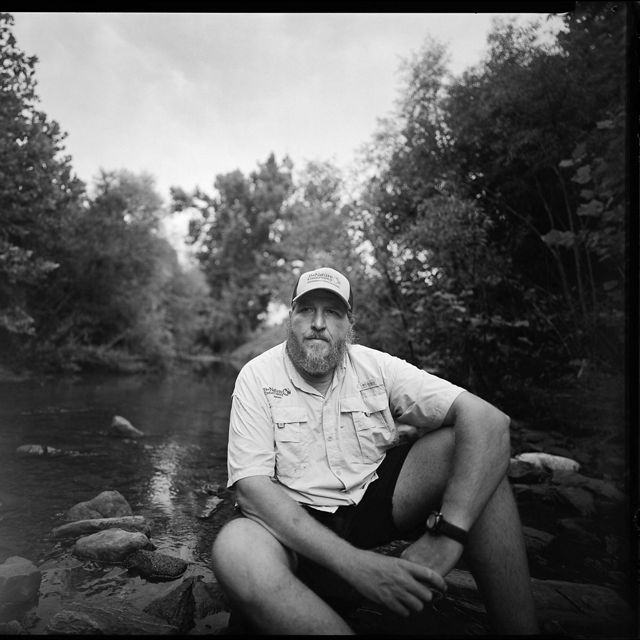
Today, Antonio Esquer (left) manages El Uno with the help of Luis Humberto Varela Fuentes (center) and José Luis Garcia Loya. © Dave Lauridsen
Local school kids and the children of Mennonite farmers are welcome at El Uno, where they may borrow binoculars to view wildlife. © Dave Lauridsen
The staff at El Uno hopes that allowing the public to experience the ranch will convert the next generation into better land managers. © Dave Lauridsen
Community development projects abound on El Uno. Here, secondary students from Casa de Janos bird watch with El Uno’s ranch manager. © Dave Lauridsen
Ten calves have been born and survived on El Uno over the past two years. © Dave Lauridsen
As the Conservancy restored native grasses to El Uno, other native species—such as this barn owl—returned as well. © Dave Lauridsen
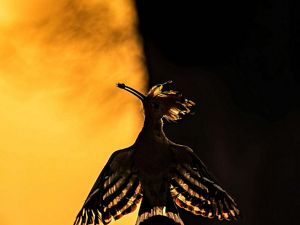
El Uno sits in the middle of the Janos Biosphere Reserve, which today harbors an array of wildlife—from eagles and ferrets to coyotes and diamond back rattlers. © Dave Lauridsen
El Uno is not only a living laboratory for scientists and researchers, but also an educational center where ranchers learn about new, sustainable grazing methods. © Dave Lauridsen
El Uno runs a “grass bank,” allowing ranchers to graze their cattle on the Conservancy’s healthy prairie lands in exchange for following sustainable practices on their own land. © Dave Lauridsen
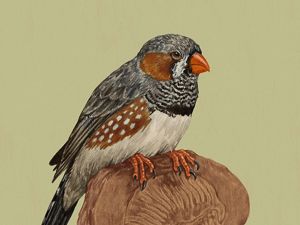
The Janos grasslands provide critical habitat for a more than 200 migratory bird species, 30 reptiles and more than 50 mammals, including free-ranging bison. © Dave Lauridsen