


Issue 1, 2024 Features
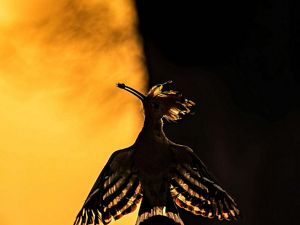
Wild Exposure
More than 180,000 entries from around the world gave a voice to nature in the 2023 Nature Conservancy Photo Contest. These are some of the winners.
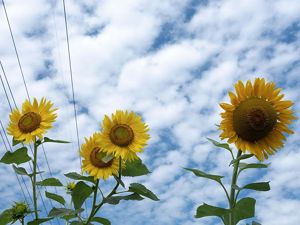
A Growing Community
A network of Black, Indigenous and other farmers of color in Ohio are supporting each other and developing regenerative growing methods.
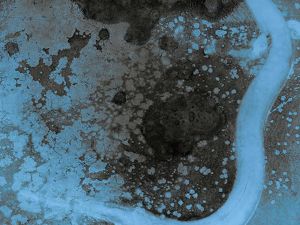
The Mysterious Life Cycle of the American Eel
The life cycle of the American eel is a mystery that scientists are determined to solve.
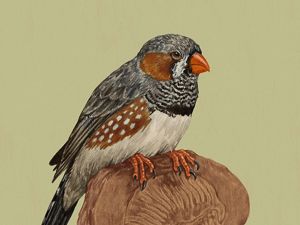
A Park for the Past
The new Nilpena Ediacara National Park in South Australia preserves wild evolutionary history and a rich desert landscape.
Magazine Feature
Restoring Alabama Rivers
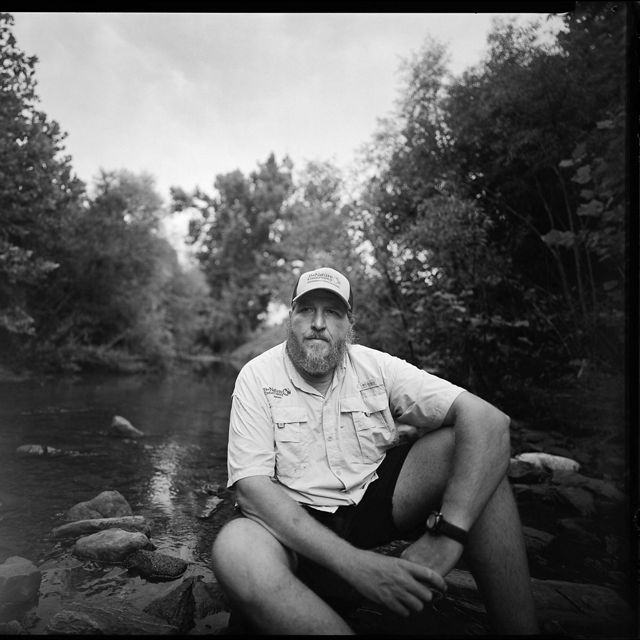
Alabama fish haven't migrated upriver on their own for generations. Jason Throneberry, a TNC freshwater program director, talks fish cannons, endangered Alabama sturgeon and getting fish past dams.
Subscribe and Support!
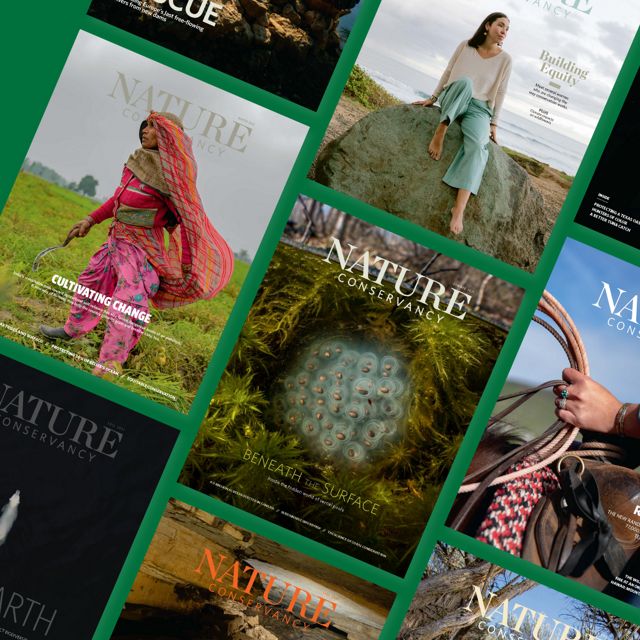
To get a print magazine subscription, donate to TNC to get seasonal issues in your mailbox.


